Maryland Food Bank Awards $630,000 in Hunger Hotspot Grants
On July 17, The Maryland Food Bank awarded nearly $630,000 to 15 organizations statewide that have the potential to make an even greater difference in their neighborhoods.
This most recent investment in local communities marks the 3rd year of our impactful Hunger Hotspot Grant program, which helps strengthen communities by increasing food access for underserved communities, areas that we refer to as hunger hotspots. Our regional programs team works with new and existing food distribution partners to craft proposals that will help new initiatives get off the ground in a sustainable way, ensuring that grantees have plans in place to support future activities and growth.
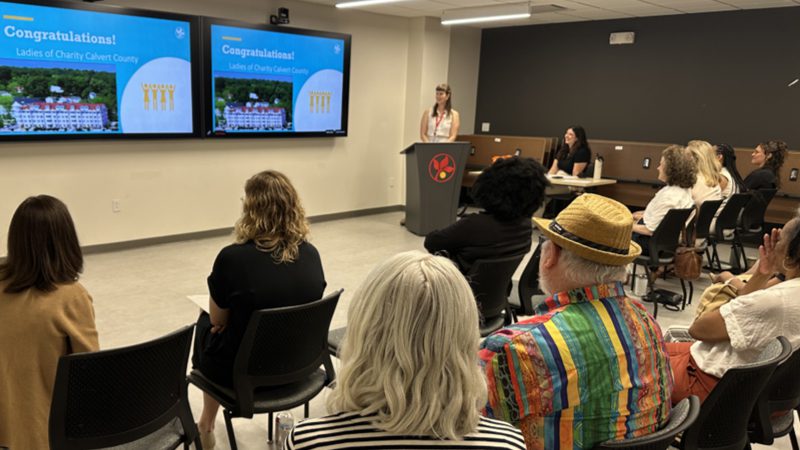
While the 15 organizations selected are representative of Maryland’s unique geography, demographics, and culture, each one proposed a targeted hunger solution that represented the needs of the neighbors in their individual communities.
Projects funded include launching a full service, neighbor choice pantry in Parkville; improving access for neighbors with mobility issues in Calvert County; purchasing a vehicle to expand home delivery to people with transportation and health challenges in Charles County; and replacing the refrigeration and freezer units at a partner site in Allegany County so they can expand their offerings of fresh produce and quality proteins.
“Through the Hunger Hotpot grants, we connect with community leaders to learn more about the key issues that they are facing and work directly with them to craft sustainable and impactful grant proposals for their organizations and communities. This grant is not only essential in supporting our partners in addressing the unmet need in Hunger Hotspots, but it also gives us a key connection point with our partners across the state. This opportunity to both support and learn from our partners is invaluable to us at the Maryland Food Bank.”
Currently, there are three types of grants available from the food bank. Through FY24, we’ve supported the efforts of hundreds of statewide partners with nearly $6,000,000 through Neighbor Impact, Capacity, and Hunger Hotspot Grants.