Partner Profile: Salisbury’s Rebirth Resource & Support Center

As many as two million Marylanders face hunger on any given day.
That’s 1 in 3 of us, and each person has a story to tell. That’s why the 1 to 1 relationship that our partners build with food-insecure residents is so impactful.
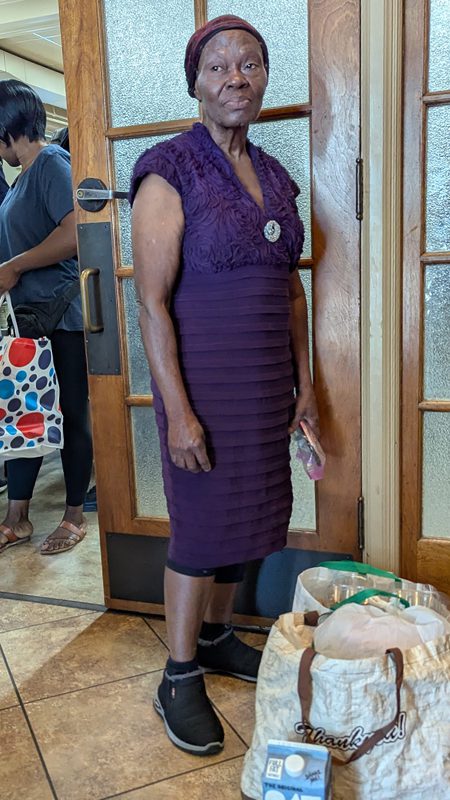
“I am almost 80 and had to stop working because, well, I’ve been sick for a long time – the food is good here, but it’s because of the way the people treat me, that I feel good today,” said Salisbury resident Mary.
While attending the weekly food distributions at Rebirth—one of the Maryland Food Bank’s 137 community partners on the Eastern Shore—Mary then humbly offered words of praise for the staff in her native Creole French.
Salisbury’s Rebirth Began Decades Ago
Located in Salisbury, where about 20% of the city’s population of 33,000 is Haitian, Rebirth has been helping restore dignity and foster social integration through food, basic education, information, social services, communication, and outreach to neighbors in need since 2002.
“One part of our mission is to connect people to resources – if we can provide them here, we do. If not, we will connect you with or refer you to another institution that we know can help,” said Habacuc Petion, who came to Salisbury from Haiti.
While he was able to find some help learning English while attending Salisbury’s James M. Bennett High School, he encountered cultural prejudice, bullying, and discrimination – experiences which would shape Habacuc’s future in a positive way, leading to the founding of Rebirth, Inc., just 10 years after arriving in Salisbury.
“I was familiar with the barriers that new people can face and dismayed that basic resources are becoming harder and harder to access, so I am proud of what Rebirth is able to do in the Salisbury community,” he noted.
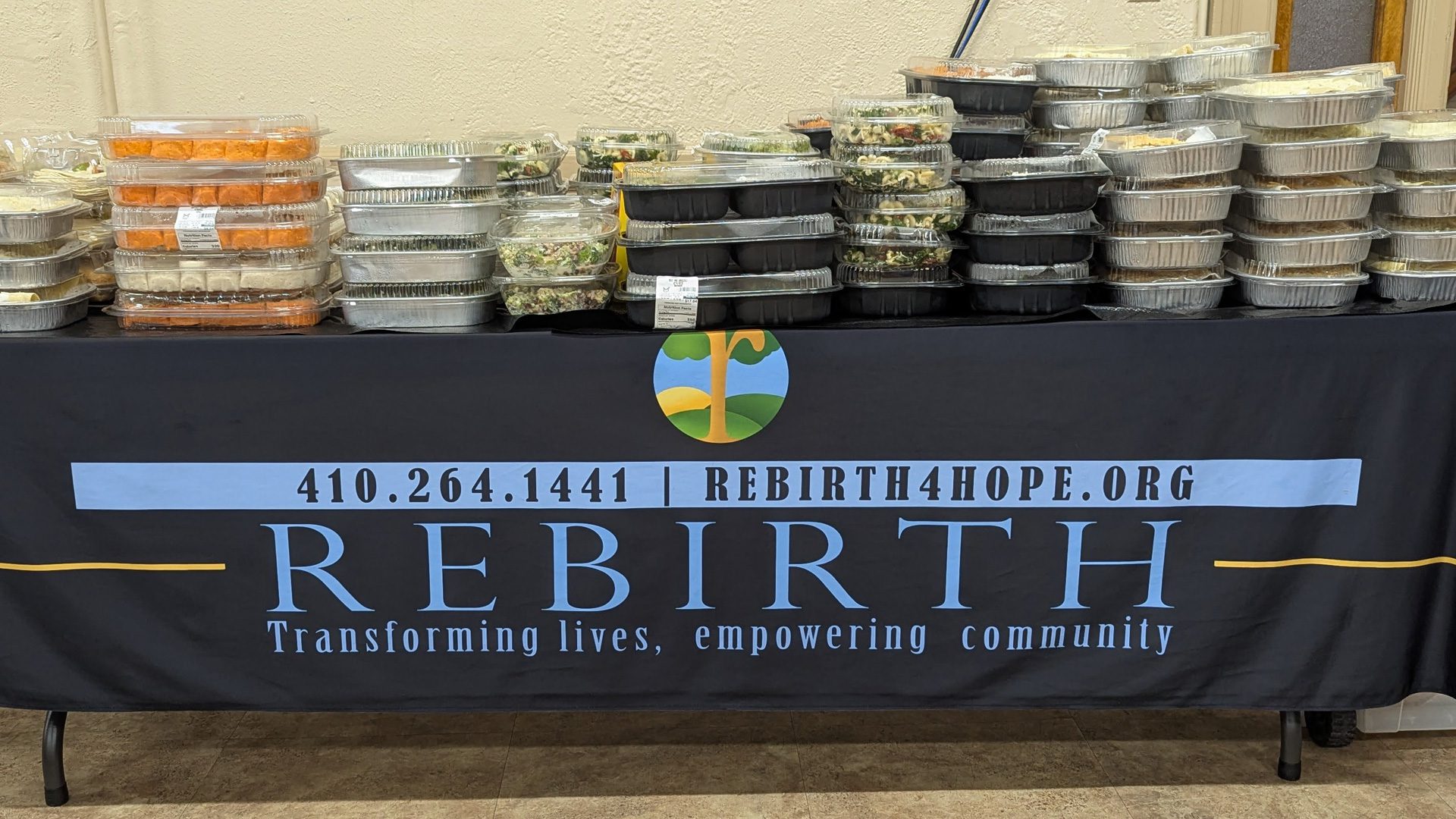
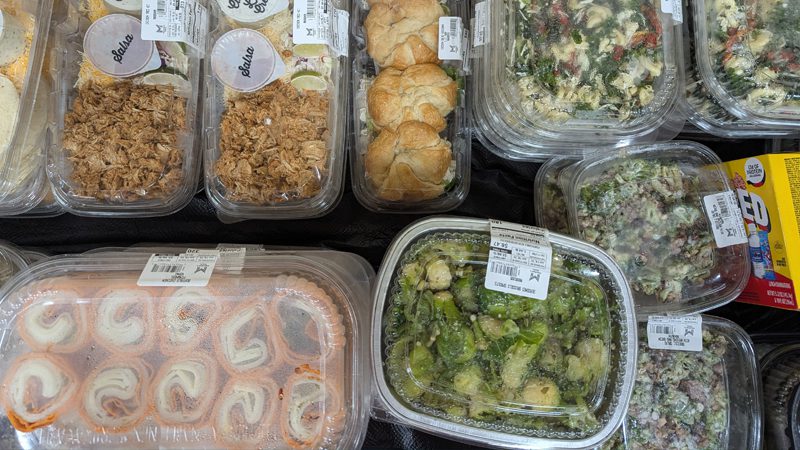
Tables brimming with shelf-stable goods, baking supplies, seasonings, and some locally donated prepared foods were the most common foods available at the June 19 event, but not the most popular.
Fresh fruits and vegetables were the items most often chosen by the 200 or so neighbors that visited Rebirth on that Thursday, including Miss Wissland, who is experiencing some health issues and eating fresh, nutritious food is critical.
“Thank you to Rebirth! I am having trouble with enzymes, and the fresh fruits I can get help me a lot,” she said.
As with many Maryland Food Bank partners, food is just the beginning of the conversation with neighbors. Wraparound service offerings can help reduce or eliminate the root causes that drive Marylanders into hunger in the first place – issues such as a lack of financial resources, bleak job opportunities, and health concerns.
Meeting Neighbors Where They Are
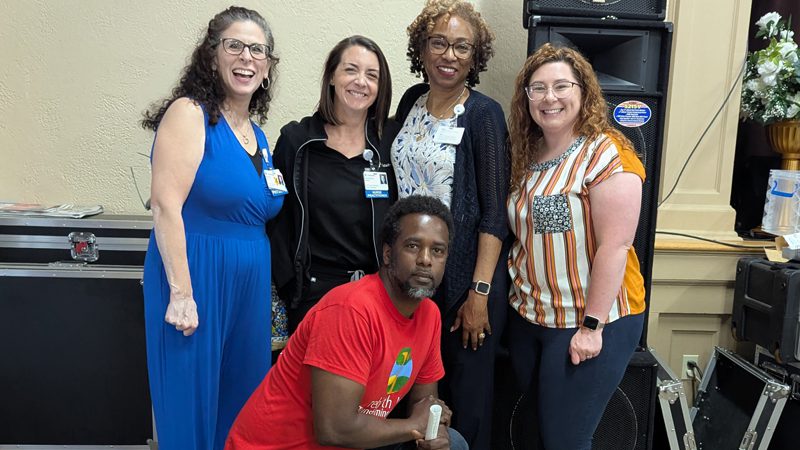
Understanding the importance of community, Habacuc and his staff are helping neighbors improve their health by partnering with local providers like TidalHealth, who sent four staff members to provide screenings, and other medical services to neighbors visiting Rebirth that day.
“It’s really important for us to be part of the community and address community members where they are. Our biggest area of focus is diabetes and hypertension prevention, but we’re going to expand into family medicine,” said Jacqueline Messner, Community Wellness Nurse Practitioner, TidalHealth.
Volunteer Bernadette M. is another local that partners with Rebirth to provide for people who are unable to come to the organization’s location on North Division Street. Occasionally a food pantry visitor herself, Bernadette sees volunteering as a way to give back.
“Doing what I call ‘DoorDashVIP,’ and bringing food to people’s homes is my small donation,” she said. “I’m seeing people who don’t have a support system, and to be able to be their connection just fills my soul,” Bernadette continued.
Another Rebirth volunteer from Salisbury University is a touching example of Marylanders helping Marylanders.

“I’m a first-generation Haitian American, and being here is one way I can give back to the community. I actually want to do health care work in underserved areas, and this is something I can do right now,” said Laura N.
Going Even Further for the Community
Habacuc described a holistic approach to helping his predominantly Haitian neighbors, where assistance with everything from filling out paperwork for SNAP, completing job applications and housing agreements, and if families have issues with the Board of Education for schooling.
“Rebirth is a bridge between people and the community. We have experienced what they are experiencing. We speak the language. I think people just feel more comfortable to be here,” he shared.
In addition to weekly healthy food distributions, wraparound service partnerships, and help with paperwork, Rebirth offers after school programming for kids, virtual learning opportunities, and running WRBY Radio/OASIS 100.5 FM, which provides key news and information, diverse music and programming that “encourages a greater understanding of the human differences and cultural pluralism within the Salisbury /Wicomico communities and the larger world we live in.”
“Rebirth is a bridge between people and the community. We have experienced what they are experiencing. We speak the language. I think people just feel more comfortable to be here.”
Even with the bustling food pantry, targeted wraparound partnerships and other service offerings, Rebirth is looking forward to helping their Haitian neighbors feel even more comfortable– bringing in produce this season that is familiar to these new families – culturally familiar crops like jute, callaloo, okra, and more.
And when asked why he felt it was important to bring these kinds of specific foods into the community, Habacuc was quick to reply: “Respect and dignity.”
“Having this variety of crops let people know we care that we’re thinking about them and really considering their way of living and culture. We try to make this relevant in everything we do here at Rebirth,” Habacuc continued.
Habacuc’s association with this deliberate effort actually goes much deeper, with his feedback providing much-needed guidance back in 2021.
“Habacuc’s learned experience immigrating from Haiti, combined with his deep knowledge of the needs of people in his community made him an invaluable resource in helping us launch the Culturally Inclusive Crop Program, and offer familiar produce statewide,” said Kate Long, Director of Nutrition, the Maryland Food Bank.
Coming Up
This fall, we’ll visit with Rebirth again and find out how neighbors in Salisbury are faring with Culturally Inclusive Crops – healthy vegetables and fruits that they are familiar with.
In hundreds of cities from Cumberland to Cambridge, community partners like Rebirth are offering programming that caters to the specific needs of the neighbors in that part of Maryland. 

About The Author
Ben Gross
For more than 30 years, Ben has been helping organizations raise awareness and inspire action by creating compelling narratives. And since 2018, Ben has been the Maryland Food Bank's Staff Writer, elevating the voices of food-insecure neighbors to further the Maryland Food Bank's mission of feeding people, strengthening communities, and ending hunger for more Marylanders.
We Need Your Help
Programs, campaigns, and educational outreach at the Maryland Food Bank has always relied on the philanthropic support of charitable individuals like you.
Much like our food distribution efforts, outreach activities at the Maryland Food Bank rely on generous donations of money and time.
We hope you’ll consider a contribution.